
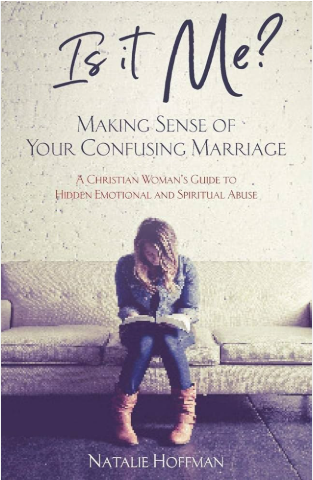
The Insight
The core realization is that the confusion and self-doubt you feel are not signs of your own instability, but the intended result of a systematic erasure of your reality. Natalie Hoffman illustrates that in high-control religious or domestic environments, your "gut instinct" is often framed as rebellion or lack of faith. The "insight" is reclaiming your internal compass: understanding that the "fog" you live in is created by someone else’s need for power. When you stop asking "Is it me?" and start seeing the patterns of emotional and spiritual coercion, the burden of "fixing" the relationship shifts off your shoulders and back onto the person actually causing the harm.
The Mending
If the study of boundaries gave me the tools to protect my space, this book gave me the courage to trust my own eyes again. For decades, I was told that my discomfort with the 'holy facade' was a spiritual failing, leading me to constantly interrogate my own heart while the red flags in front of me were ignored.
Natalie Hoffman provided the validation I needed to deconstruct the "weaponized suffering" I had been taught to endure. This book was my permission to stop prioritizing the comfort of my oppressors over my own safety and sanity. It helped me realize that a "relational injury requires a relational cure," and that staying in an environment that actively harms you is not an act of holiness—it’s an act of self-destruction. This was the moment I stopped looking for my reflection in a broken mirror and started building a sanctuary based on my own truth.